How to Prepare Your Electrical System for Summer Demand to Avoid Outages
By B&M Electric July 10, 2026
Why Summer Is the Most Demanding Season for Your Home’s Electrical System
Knowing how to prepare your electrical system for summer demand can mean the difference between a cool, comfortable home and a tripped breaker on the hottest day of the year. Here’s a quick overview of the key steps:
- Inspect your electrical panel for signs of wear, corrosion, or age
- Test all GFCI outlets in kitchens, bathrooms, and outdoor areas
- Ensure your AC unit has a dedicated circuit
- Install whole-house surge protection before storm season peaks
- Stagger high-wattage appliance use to avoid overloading circuits
- Schedule a professional electrical inspection with a licensed electrician
- Upgrade your panel if it’s older than 25 years or rated below 200 amps
Summer in Torrance and the South Bay brings more than just sunshine. As temperatures climb, so does your home’s electricity use. Air conditioners alone account for nearly 20% of annual electricity consumption in U.S. homes — and during a heat wave, that number spikes even higher. Every cooling system, refrigerator, pool pump, and outdoor light running at the same time puts real pressure on your wiring, breakers, and panel.
The problem is that many homes — especially those built before 1990 — were never designed to handle today’s electrical loads. Overloaded circuits are one of the leading causes of residential electrical fires, and summer months see a 30% increase in incidents compared to the rest of the year.
At B&M Electric, we’ve been helping homeowners across Torrance and the South Bay protect their homes for over 50 years. This guide walks you through everything you need to know to get your electrical system ready before peak demand hits.

Understanding the Impact of Heat and Humidity on Your Home’s Power
As we move into May 2026, it is important to understand that heat isn’t just uncomfortable for us; it’s physically taxing on your home’s wiring. When ambient temperatures rise, electrical resistance in wires and devices increases. This creates a cycle of heat buildup: the hotter the wire gets, the more resistance it has, which in turn generates even more heat.
In our coastal South Bay climate, humidity also plays a significant role. High moisture levels can lead to corrosion in electrical components, particularly in older wiring or exposed outdoor outlets. Over time, this humidity reduces the effectiveness of insulation, potentially leading to short circuits or material expansion that loosens connections.
Understanding Seasonal Changes on Electrical Systems is the first step in protecting your property. Thermal expansion from temperature swings can cause electrical connections to loosen slightly, creating gaps where “arcing” (electrical jumping) can occur—a major fire hazard.
| Feature | Dry Heat Effects | High Humidity Effects |
|---|---|---|
| Wiring | Increased resistance and heat buildup | Insulation degradation and potential shorts |
| Panel | Breakers may trip due to thermal triggers | Corrosion on bus bars and terminals |
| Outlets | Plastic covers may become brittle | Increased risk of GFCI failure or arcing |
| Appliances | Motors run longer and hotter | Condensation risk in electronic boards |
How to Prepare Your Electrical System for Summer Demand Through Preventive Maintenance
Proactive care is much more affordable than emergency repairs in the middle of a July heatwave. We recommend following Essential Electrical Maintenance protocols to ensure your system is resilient.
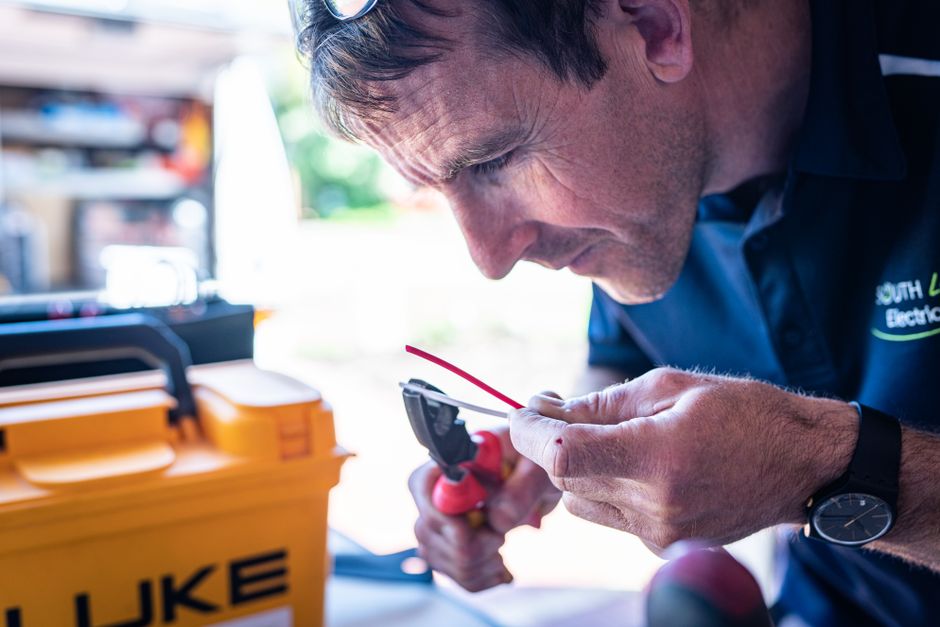
Following NFPA 70B standards—the national benchmark for electrical preventive maintenance—can reduce system failures by up to 50%. A key part of this process involves tightening electrical terminations. Over time, vibrations and thermal expansion can loosen the screws holding wires in your panel. We also suggest clearing debris, such as spider webs or dust, from around your panel and outdoor AC disconnects to allow for proper airflow and cooling. For a deeper dive into why these steps matter, check out Electrical Maintenance Explained.
Identifying Signs of Overloaded Circuits During Peak Summer Demand
Your home often tries to tell you when it’s struggling. During peak summer demand, keep an eye (and ear) out for these warning signs:
- Flickering lights: Especially noticeable when the AC compressor kicks on.
- Buzzing sounds: Any humming or buzzing coming from your outlets or panel is a sign of a loose connection or a failing breaker.
- Warm outlet covers: If an outlet is warm to the touch, it is likely handling more current than it should.
- Burning odors: An ozone or “plastic” smell is an electrical emergency. Turn off the power and call us immediately.
- Frequent breaker trips: A breaker that trips repeatedly is doing its job to prevent a fire, but it’s also a clear signal that the circuit is overloaded.
Reviewing Essential Electrical Safety Tips can help you stay vigilant as the mercury rises.
Best Practices for Load Balancing and Efficiency
You can significantly reduce the strain on your system by practicing smart load management. One of the best ways is staggered appliance use. Try to run your dishwasher, clothes dryer, and pool vacuum during the early morning or late evening hours rather than during the mid-afternoon peak.
Upgrading to Energy Star-rated appliances and switching to LED lighting also helps. LEDs produce far less heat than incandescent bulbs, which actually helps keep your home cooler while drawing less power. For those managing local shops or offices, Electrical Maintenance for Business Safety offers specific strategies for commercial load balancing.
Upgrading Your Infrastructure to Handle Increased Cooling Loads
Sometimes, maintenance isn’t enough; your home might simply need more “muscle.” Modern South Bay homes often require a 200-amp service to safely power central air conditioning, EV chargers, and high-end kitchens simultaneously.
If your panel is full but otherwise in good shape, a sub-panel installation can provide the extra circuits needed for a new pool pump or an outdoor kitchen. For commercial properties, keeping up with The Essential Commercial Electrical Maintenance Checklist is vital for maintaining operations during high-demand periods.
When to Consider a Panel Upgrade for Summer Demand
If your home was built before 1990 and still has a 100-amp panel, it is likely reaching its limit. A 100-amp panel safely handles about 24,000 watts, but a modern home on a hot day can easily demand 29,000 watts or more.
Upgrading to a modern panel can increase your capacity by 50-100%, significantly reducing the risk of tripped breakers. It’s also worth noting that many insurance companies in California now require modern panels (and often 200-amp service) for continued coverage. For more localized advice, see our Commercial Electrical Maintenance Torrance Tips.
Protecting Electronics with Whole-House Surge Protection
Summer isn’t just about heat; it’s also the season for afternoon thunderstorms and grid fluctuations. Whole-house surge protectors can reduce the risk of appliance damage by up to 70%.
These devices protect against external surges (like lightning) and “micro-surges” caused by your AC compressor cycling on and off dozens of times a day. These constant small spikes can degrade the sensitive circuit boards in your smart fridge, TV, and computer over time. Ensuring your system is protected is a vital part of Electrical Safety Tips for Outdoor Living Enjoyi.
Advanced Monitoring and Professional Safety Audits
At B&M Electric, we use advanced tools like thermal imaging to find “hot spots” that the naked eye can’t see. These cameras detect heat signatures from loose connections or failing components before they ever cause a smell or a spark.
Proactive monitoring and the Importance of Electrical Inspections cannot be overstated. By finding a failing termination in May, we can prevent a total power failure in July.
Professional Inspections to Prepare Your Electrical System for Summer Demand
A professional safety audit ensures your home meets current Torrance building codes and safety standards. Our licensed electricians perform comprehensive diagnostics, checking everything from the main service drop to the grounding system. Electrical Inspections Prevent Issues by identifying worn components that are stressed by the high demand of the summer months.
Frequently Asked Questions about Summer Electrical Safety
Why do my breakers trip more often when it is hot outside?
Breakers are thermal-magnetic devices. They are designed to trip if they get too hot (which indicates too much current). When the ambient temperature in your garage or on the side of your house is 100 degrees, the breaker is already “pre-heated,” making it more likely to trip under a load that it might handle easily in the winter. Additionally, AC units draw a massive “startup current” that can push an older breaker over the edge.
Are GFCI outlets necessary for outdoor summer living?
Absolutely. Ground Fault Circuit Interrupters (GFCIs) are designed to shut off power in milliseconds if they detect a current leak to ground—such as through water or a person. Because summer involves more outdoor activity near pools, spas, and patios, GFCIs are your primary defense against shock. You can find more safety advice in our guide on Electrical Safety Tips for Outdoor Living Enjoyi.
How can I reduce the electrical strain on my home in May 2026?
- Load shedding: Turn off lights and electronics in rooms you aren’t using.
- Smart home automation: Use a smart thermostat to raise the temperature by 7-10 degrees when you are away, which can save up to 10% on energy.
- Attic fan maintenance: Ensure your attic fan is working to pull heat out of the house, reducing the workload on your AC.
- Window shading: Close blinds during the hottest part of the day to prevent solar heat gain.
Conclusion
Preparing for the summer heat in Torrance and the South Bay is about more than just stocking up on sunscreen; it’s about ensuring your home’s “nervous system” is ready for the strain. With over 50 years of local expertise, B&M Electric is committed to providing dependable service with a personal touch. Whether you need a simple safety audit, a panel upgrade, or a whole-house surge protector, our team is here to ensure your summer remains bright and worry-free.
For More info about electrical services, reach out to us today to schedule your pre-summer inspection. Let’s make sure your electrical system is as ready for the heat as you are!