The Complete Guide to How Lighting Design Affects Mood and Functionality
By B&M Electric July 3, 2026
Why How Lighting Design Affects Mood and Functionality Matters More Than You Think
How lighting design affects mood and functionality is something most people feel every day — even if they can’t quite name it. Walk into a harshly lit room after a long day and you tense up. Step into a softly lit space and your shoulders drop. That’s not coincidence. It’s biology.
Lighting shapes how we feel, how well we focus, and how comfortable we are in any space — whether it’s a bedroom in Torrance or a commercial office in the South Bay.
Here’s a quick overview of how lighting design influences both mood and function:
| Lighting Type | Color Temp | Mood Effect | Best Used In |
|---|---|---|---|
| Warm white | 2700K–3000K | Relaxed, calm, intimate | Bedrooms, living rooms, dining areas |
| Cool white | 3500K–4000K | Alert, focused, clear | Home offices, task areas |
| Daylight | 4000K–5000K | Energized, productive | Kitchens, bathrooms, workspaces |
| Bright cool | 5000K–6500K | High alertness | Garages, workshops, outdoor areas |
Lighting also works through your body’s internal clock. Exposure to bright, cool light during the day boosts serotonin and keeps you alert. Warm, dim light in the evening triggers melatonin — the hormone that tells your brain it’s time to rest. When your lighting fights against that cycle, sleep suffers, focus drops, and stress builds up.
Research even suggests that bright light therapy can be as effective as antidepressants for some people, and that poor workplace lighting directly reduces productivity. The stakes are real.
This guide covers everything from color temperature and layering techniques to room-specific strategies and the most common mistakes that quietly wreck comfort and concentration — so you can make smarter lighting decisions for your home or business.

The Science of How Lighting Design Affects Mood and Functionality
To understand how lighting design affects mood and functionality, we have to look under the hood of the human body. We evolved under the sun, which means our internal systems are hardwired to respond to the changing qualities of light throughout the day. This internal timing system is known as our circadian rhythm.
Our biological clock regulates everything from body temperature to hormone release. When we are exposed to bright, blue-rich light in the morning, our brains suppress melatonin and release cortisol, helping us feel awake and ready for the day. As the sun sets and light turns amber and dim, our bodies begin to produce melatonin to prepare for sleep.
We spend about 90% of our time indoors. This is where Discover LED Lighting Solutions come into play. Modern LED technology allows us to mimic these natural cycles, supporting our health rather than disrupting it. When we ignore these biological needs—for instance, by sitting under harsh, cool fluorescent lights late into the evening—we risk disrupting our cellular functioning, which can lead to irritability, fatigue, and even long-term health issues like diabetes.
By paying attention to Color Temperature for Lighting Design, we can create environments that work with our biology. Here is a quick look at how different light qualities impact our daily performance:
| Light Quality | Biological Response | Practical Impact |
|---|---|---|
| Bright/Cool (4000K+) | Boosts Serotonin & Dopamine | High focus, reduced drowsiness, faster task completion |
| Dim/Warm (2700K) | Triggers Melatonin | Lower heart rate, reduced stress, “wind-down” mode |
| Natural Sunlight | Vitamin D Synthesis | Stabilized mood, better long-term sleep quality |
Understanding Kelvin and Color Temperature
When you shop for light bulbs in Torrance, you’ll see a “Kelvin” (K) rating on the box. This measures the “warmth” or “coolness” of the light.
- Warm Tones (2000K–3000K): These mimic the glow of a candle or a sunset. They feel cozy, safe, and intimate. This is the range that tells your brain it’s time to relax.
- Cool White (3500K–4500K): This is a neutral, clean light. It’s excellent for general activities where you need to see clearly but don’t want the clinical feel of a hospital.
- Daylight LEDs (5000K–6500K): This mimics high-noon sunlight. It is very blue-heavy, which is fantastic for concentration and alertness but can feel “cold” or “harsh” if used in a relaxation space.
The Neurological Impact of Natural vs. Artificial Light
Natural light is the gold standard for well-being. Exposure to the sun triggers the production of Vitamin D and helps stabilize our sleep-wake cycles. In fact, workers in offices with windows report less eyestrain, fewer headaches, and higher levels of morning alertness than those in windowless environments.
However, artificial light isn’t the “enemy”—it’s a tool. The goal is to use artificial sources to supplement what nature provides. The neurological impact of light is so strong that “dawn simulators” and bright light therapy are frequently used to treat seasonal depression. On the flip side, prolonged exposure to flickering or poor-quality artificial light can trigger migraines and increase anxiety. This is why we prioritize high-quality, flicker-free LED installations for our South Bay clients.
Layering Techniques for South Bay Homes and Businesses
If you rely on a single “big light” in the center of the ceiling, you’re missing out on the full benefits of how lighting design affects mood and functionality. Professional design is all about layering. Think of it like dressing for the weather in Redondo Beach—you need a base layer, an insulating layer, and a shell.
- Ambient Lighting: This is your base layer. It provides the general illumination for the room so you can move around safely.
- Task Lighting: This is the “insulating” layer. It’s focused exactly where you need it—like under-cabinet lights in a kitchen or a desk lamp in an office.
- Accent Lighting: This is the “shell.” It’s used to highlight architecture, art, or textures, adding depth and “soul” to a room.
By combining these, you create a space that is flexible. You might want bright ambient light while cleaning, but only soft accent and task lighting while hosting a dinner party. For more on this, check out our guide on Professional Lighting Solutions Redondo Beach’s Finest or learn about the clean look of Recessed Ceiling Lights.
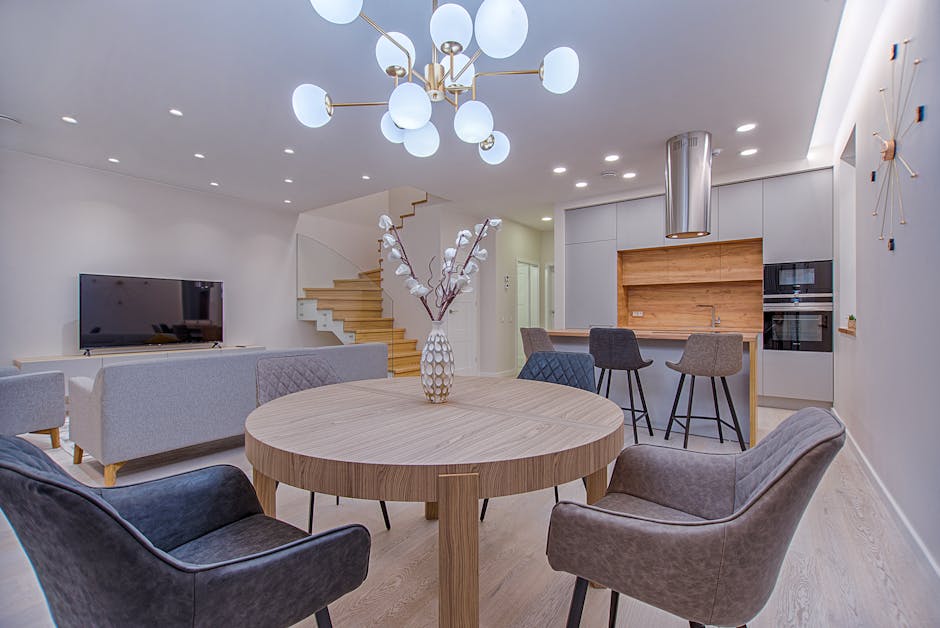
Enhancing How Lighting Design Affects Mood and Functionality with Task Lighting
Task lighting is the workhorse of functionality. Without it, you’re often working in your own shadow. In a home office, a cool-toned task light (around 4000K) can significantly reduce eyestrain and keep you from feeling drowsy during a long afternoon of computer work. In a kitchen, task lighting ensures you can see exactly what you’re chopping, which is a matter of safety as much as mood.
For businesses, our guide on Brightening Torrance: A How-To Guide for Commercial and Residential Lighting explains how proper task placement can actually boost employee morale by reducing the physical strain of the workday.
Creating Depth with Accent and Decorative Lighting
Accent lighting is where the magic happens. It’s the difference between a room that feels like a box and a room that feels like an experience. By using wall grazers or uplights, you can Create Drama by Going Up, drawing the eye to high ceilings or interesting textures.
Outdoors, accent lighting is just as vital. By Adding Curb Appeal through well-placed landscape lights, you create a sense of security and a warm welcome before you even step through the front door.
Room-Specific Applications and Emotional Goals
Every room in your home or business has a different “job” to do, which means the lighting should be tailored to those specific goals. We’ve spent 50 years helping neighbors Illuminate Your Living Spaces by matching the fixture to the feeling.
If you are looking for the Best Lighting Solutions in Torrance CA, we always start by asking: “How do you want to feel when you walk into this room?”
Creating a Sanctuary: How Lighting Design Affects Mood and Functionality in Bedrooms
The bedroom is the most important place to get lighting right for your health. To support your natural sleep cycle, you want to avoid cool, blue-rich light in the evening. Instead, opt for warm, dimmable sources (2200K–2700K) positioned at eye level or below—like bedside lamps or wall sconces.
Avoid the “interrogation room” feel of a single bright overhead light. For a deep dive into creating a restful space, see our Bedroom Lighting Solutions Ultimate Guide or learn how to create a Cozy Atmosphere with the Right Lighting.
High-Functioning Kitchens and Bathrooms
Kitchens and bathrooms are “high-energy” zones. In the morning, you want bright, cool light to help you wake up and perform precision tasks like shaving or applying makeup. In the bathroom, we love creating a Magical Starlight Bathroom effect that combines high-function vanity lighting with soft, starlit accents for a spa-like evening soak.
Common Mistakes That Disrupt Comfort and Focus
Even with the best intentions, it’s easy to make mistakes that negatively impact how lighting design affects mood and functionality. Here are the “mood killers” we see most often:
- Overlighting: Flooding a room with too much light can cause anxiety and “flat” aesthetics. It washes out textures and makes a home feel like a retail store.
- The “One-Source” Trap: Relying only on a ceiling fan light or a single pendant creates harsh shadows and leaves corners dark, which can make a room feel smaller and more stressful.
- Flickering Bulbs: Even if you can’t consciously see the flicker of a cheap LED or an old fluorescent, your brain notices. This often leads to “mystery” headaches and fatigue.
Using tools like dimmers can solve many of these issues instantly. You can Save Energy with Dimmer Switches while gaining total control over the “vibe” of your home. Additionally, incorporating Smart Lighting for Home Security allows you to automate these shifts, ensuring your home is bright when you arrive and soft when you’re ready to sleep.
The Dangers of Glare and Poor Placement
Glare happens when light hits a surface (like a TV screen or a shiny countertop) and bounces directly into your eyes. This causes significant eye strain and can even lead to sleep disorders because your eyes are constantly working to adjust. Proper placement—ensuring the bulb itself isn’t in your direct line of sight—is key to navigation safety and comfort.
Clashing Color Temperatures
Have you ever walked into a room where one lamp is “yellow” and the overhead light is “blue”? This visual clutter is jarring. It prevents the brain from settling into a specific mood. When we handle an installation, we ensure that all bulbs in a single visual field are Kelvin-matched to create a consistent, professional ambiance.
Frequently Asked Questions about Lighting Psychology
What is the best color temperature for a home office?
For a home office, we typically recommend a “cool white” range between 3500K and 4000K. This provides enough blue light to keep you alert and focused without feeling clinical. If you do a lot of paper-based work, a dedicated 4000K–5000K task lamp on your desk is a great addition.
How does lighting affect depression and anxiety?
Light has a direct pipeline to the emotional centers of the brain. Low-intensity, warm light can reduce the “fight or flight” response, helping to lower anxiety. Conversely, bright light exposure (especially natural light) is a proven way to boost serotonin levels, which can help alleviate symptoms of depression and seasonal affective disorder.
Can smart lighting improve my sleep quality?
Absolutely. Smart lighting can be programmed to “circadian mode,” where the lights automatically transition from bright cool tones in the morning to warm amber tones in the evening. This helps regulate your melatonin production, making it easier to fall asleep and stay asleep.
Conclusion
At the end of the day, how lighting design affects mood and functionality is about making your space work for you. Whether you’re looking to boost productivity in a Torrance office or create a peaceful retreat in your Palos Verdes home, the right lighting makes all the difference.
At B&M Electric, we’ve spent over 50 years serving the South Bay with a personal touch. We don’t just “change bulbs”—we design systems that improve how you live and work. From panel upgrades to support your new LED system to custom landscape lighting, our licensed experts are here to help.
Ready to see your home in a whole new light? Transform your space with expert lighting solutions in Torrance and let us help you find the perfect balance of mood and function.