A Quick Start Guide to Spring Electrical Safety
By B&M Electric June 3, 2026
Why a Spring Electrical Safety Check for Your Home Matters More Than You Think
Doing a spring electrical safety check for your home is one of the smartest things you can do before the warmer months hit. Here’s a quick look at what that check should cover:
Spring Electrical Safety Check — Quick Overview:
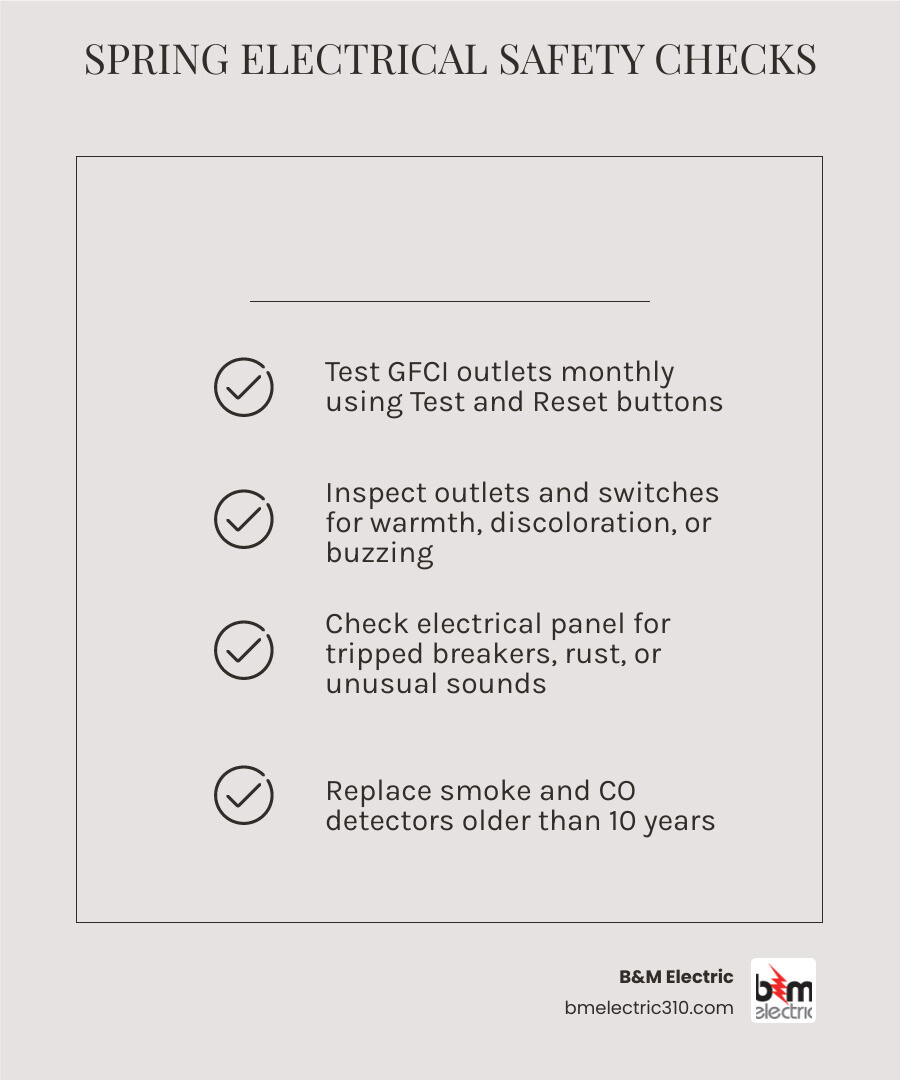
- Test GFCI outlets in kitchens, bathrooms, garages, and outdoor areas using the Test and Reset buttons
- Inspect outlets and switches for warmth, discoloration, buzzing, or scorch marks
- Check your electrical panel for tripped breakers, rust, or unusual sounds
- Examine extension cords and power strips for fraying or damage — never daisy-chain strips together
- Inspect outdoor outlets and lighting for cracked covers, corrosion, or winter damage
- Test smoke and carbon monoxide detectors and replace any unit older than 10 years
- Consider whole-home surge protection before spring storm season ramps up
Spring sits in a natural sweet spot for home electrical maintenance. Your system has just come through months of heavy heating use, and it’s about to face a new wave of demand — air conditioning, outdoor power tools, landscape lighting, and more. That back-to-back strain is exactly where small problems turn into big ones.
Electrical failures are one of the leading causes of residential fires in the U.S., making early detection more than just a good habit — it’s a genuine safety measure. A few simple checks now can protect your home, your family, and your appliances before summer gets fully underway.
Why Spring is the Best Time for a Spring Electrical Safety Check for Your Home
As we move into May 2026, the transition from the cool coastal breezes of winter to the warmer South Bay summer is the perfect time to evaluate your home’s “nervous system.” During the winter, your electrical system likely worked overtime. Between space heaters, holiday lighting, and staying indoors more often, your circuits have been under a steady load.
A spring electrical safety check for your home serves as a vital recovery period. Winter moisture and temperature fluctuations can actually loosen connections or cause outdoor insulation to crack. By catching these issues now, you prevent them from failing when you switch on the air conditioning for the first time in July.
Furthermore, spring in the South Bay often brings unpredictable storms. Preparing your system now ensures you aren’t caught off guard by power surges or lightning strikes. Beyond safety, regular maintenance is a major factor in the importance of electrical inspections. It helps prevent fires, reduces long-term energy costs by ensuring efficiency, and extends the lifespan of your expensive appliances. Think of it as a “fresh start” for your home’s most critical utility.
Essential Indoor Inspection Points for South Bay Homeowners
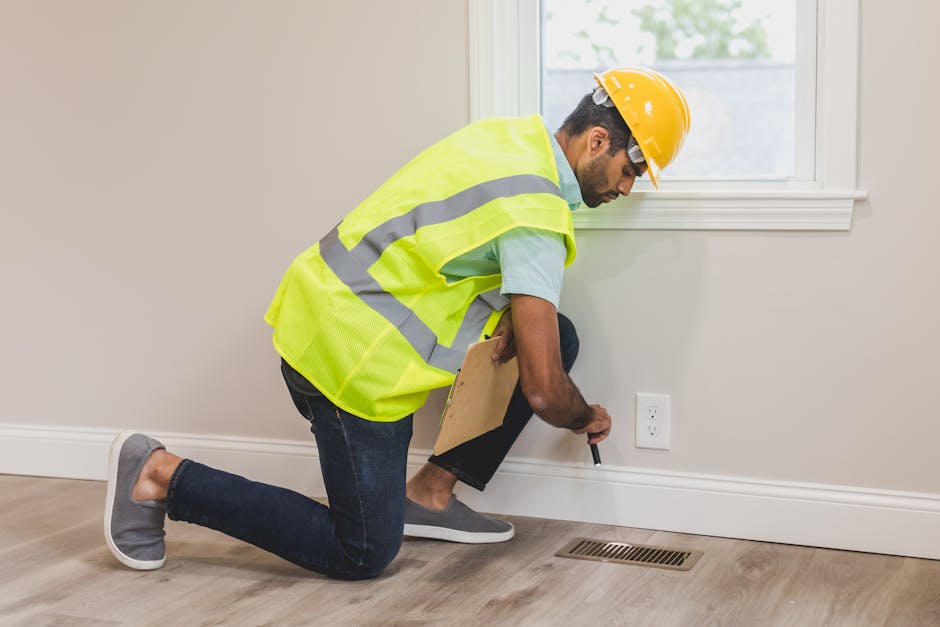
When you begin your indoor walk-through, start with the basics that save lives: your detectors. Smoke and carbon monoxide alarms should be tested every single spring. If you can’t remember the last time you changed the batteries, do it now. A critical industry rule to remember is the 10-year replacement rule; if your detector is more than a decade old, its sensors have likely degraded, and it needs to be replaced entirely, even if it still “beeps” when you press the button.
Next, look behind the scenes. Dust buildup is a hidden electrical hazard. We often find that dust accumulating behind refrigerators or around heavy appliances can trap heat and increase the risk of a localized fire. While you’re back there, check the cords. Are they pinched under furniture? Are they frayed? Electrical inspections safeguarding home safety often start with these simple visual observations.
Testing GFCI Outlets During Your Spring Electrical Safety Check for Your Home
Ground Fault Circuit Interrupters (GFCIs) are those outlets with the “Test” and “Reset” buttons, usually found near water sources like your kitchen sink, bathroom vanity, or laundry room. Their job is to shut off power instantly if they detect electricity taking a “shortcut” (like through water or a person).
During your spring electrical safety check for your home, you should test every single one. Simply plug in a small lamp, press “Test” (the lamp should go out), and then press “Reset” (the lamp should turn back on). If the outlet doesn’t trip or won’t reset, it has failed and no longer provides shock protection. Following these tips to ensure home electrical safety is essential because GFCIs are mechanical devices that can wear out over time, especially in the humid air of our coastal communities.
Identifying Warning Signs in Your Spring Electrical Safety Check for Your Home
Your home often tries to tell you when something is wrong. You just have to know what to listen and look for. During your inspection, keep an eye out for these “red flags”:
- Flickering or Dimming Lights: This often happens when a large appliance (like the AC) kicks on, indicating your circuit might be overloaded.
- Warm Wall Plates: Outlets or switches should never feel warm to the touch. This can indicate dangerous “arcing” behind the wall.
- Buzzing Sounds: A quiet hum might be normal for some electronics, but a distinct buzzing or sizzling sound from a switch or the panel is a sign of a loose connection.
- Discolored Outlets: Any soot-like marks or yellowing on an outlet cover suggests internal sparking or overheating.
If you encounter these, don’t ignore them. Referencing essential electrical safety tips can help you identify when a minor annoyance is actually a major fire risk.
Preparing Your Outdoor Spaces for Summer Activities
In Torrance and the surrounding South Bay areas, we live for our outdoor spaces. But after a winter of rain and salt air, your outdoor electrical components need a little TLC. Start by checking your outdoor outlets. Are the weatherproof covers still intact and closing tightly? Moisture is the enemy of electricity, and a cracked cover is an open invitation for a short circuit.
If you’re planning any spring landscaping or “digging” projects, remember to call 811 to have your underground utility lines marked. It’s a free service that prevents dangerous (and expensive) accidents. Additionally, if you’re using ladders to clean gutters or trim trees, stay at least 10 feet away from overhead power lines.
This is also a great time to consider upgrading to LED bulbs for your landscape lighting. Not only do they last longer in our coastal environment, but they also significantly reduce energy consumption. For those living near the water, check out these electrical safety in Hermosa Beach tips for more localized advice on managing salt-air corrosion. For more comprehensive advice, our guide on electrical safety tips for outdoor living covers everything from pool pumps to patio heaters.
Protecting Your System from Spring Storms and Summer Demand
As we look toward the warmer months of 2026, the demand on your home’s electrical panel is about to skyrocket. Modern homes in the South Bay are doing more than ever—powering high-efficiency AC units, charging electric vehicles (EVs), and running complex smart home systems.
One of the best investments you can make during your spring electrical safety check for your home is whole-home surge protection. While power strips help, they can’t stop a massive voltage spike from a lightning strike or a grid fluctuation. A whole-home protector sits at your main panel and shields every device in your house, including your expensive HVAC system and kitchen appliances.
If your breakers are tripping frequently or your panel is more than 20 years old, it might be time for an upgrade. An undersized panel isn’t just inconvenient; it’s a bottleneck that can lead to overheating. This is a concept we often discuss in our electrical safety for businesses complete guide, but it applies just as strictly to residential properties.
When to Call a Licensed Professional in the South Bay
While many parts of a spring electrical safety check for your home are DIY-friendly, there is a clear line where safety dictates calling in the pros. If you open your electrical panel and see rust, corrosion, or scorch marks, stop and call a licensed electrician immediately. These are signs of moisture intrusion or serious overheating that require professional intervention.
Working with a licensed expert ensures your home remains up to code, which is vital for both safety and your home’s resale value. We always say that why licensed electricians are your home’s best insurance policy comes down to peace of mind. A professional safety audit can uncover hidden issues—like outdated aluminum wiring or loose neutral connections—that a visual check might miss. At B&M Electric, we bring 50 years of local expertise to every inspection, ensuring your South Bay home is handled with precision and care.
Frequently Asked Questions about Spring Electrical Safety
Why should I test my GFCI outlets every spring?
GFCIs are sensitive electronic devices that protect you from lethal shocks. Over time, moisture, dust, and even salt air (especially in the South Bay) can cause the internal mechanism to fail. Testing them every spring ensures that if a hair dryer drops into a sink or a power tool gets wet outside, the power will actually cut off in time to save a life.
What are the signs that my electrical panel is overloaded?
The most common sign is frequent circuit breaker trips. If you can’t run the microwave and the toaster at the same time, or if your lights flicker whenever the refrigerator kicks on, your system is struggling. You might also notice a buzzing sound or find that the panel cover feels warm. These are clear indicators that your home’s electrical demand has outpaced the panel’s capacity.
How do spring storms affect my home’s electronics?
Spring storms can cause sudden power surges through lightning or downed power lines. Even “micro-surges” from the grid switching can degrade the sensitive circuitry in your computers, smart TVs, and LED bulbs over time. Whole-home surge protection is the only way to provide a comprehensive shield against these unpredictable events.
Conclusion
Taking the time to perform a spring electrical safety check for your home is more than just a chore—it’s an investment in your family’s safety and your home’s efficiency. From testing your GFCIs to inspecting your outdoor lighting, these small steps prevent the big emergencies that always seem to happen at the most inconvenient times.
At B&M Electric, we’ve been serving Torrance and the South Bay for over five decades. We pride ourselves on providing dependable service with a personal touch. Whether you need a simple safety audit, a panel upgrade to handle your new EV charger, or a complete lighting redesign, we are here to help.
Don’t wait for a summer heatwave to find the weak spots in your system. Schedule your professional spring electrical inspection today and enjoy a worry-free season ahead!