The Ultimate Guide to Smart Lighting Options for Your Home
By B&M Electric July 21, 2026
Why Smart Lighting Options for Your Home Are Worth Knowing About
If you’re exploring smart lighting options for your home, here’s a quick overview of what’s available:
- Smart bulbs – Screw into standard sockets; control color, brightness, and schedules from your phone or voice
- Smart switches – Replace existing wall switches; control any fixture wired to them
- Smart plugs/sockets – Plug into existing outlets; make any lamp or fixture smart instantly
- LED strip lights – Flexible strips for under cabinets, shelves, or accent areas
- Smart light panels – Modular, wall-mounted panels for decorative and ambient lighting
- Smart floodlights – Outdoor security lighting with motion detection and remote control
- Smart recessed/ceiling lights – Hardwired fixtures with built-in smart controls
Most smart lighting works with Amazon Alexa, Google Home, or Apple HomeKit, and newer products use the Matter standard for broad cross-platform compatibility.
Your home’s lighting does more than just keep the dark away. It shapes how a room feels, how well you sleep, how safe your home looks from the outside, and how much you spend on your electricity bill every month. Yet most homes in Torrance and across the South Bay are still running the same basic on/off setup they’ve had for decades.
That’s changing fast. Smart lighting has moved well beyond novelty gadgets. Today’s options range from simple plug-and-play bulbs you can pick up for under ten dollars to fully integrated systems that adjust automatically based on the time of day, your daily routines, or whether you’re even home. According to IKEA, smart lights can be tuned for specific tasks like reading, cooking, or watching TV — and LED light sources consume up to 85% less energy than traditional incandescent bulbs while lasting roughly 25,000 hours.
Whether you’re thinking about a single room upgrade or a whole-home lighting overhaul, understanding your options is the right first step.

What Are the Main Smart Lighting Options for Your Home?
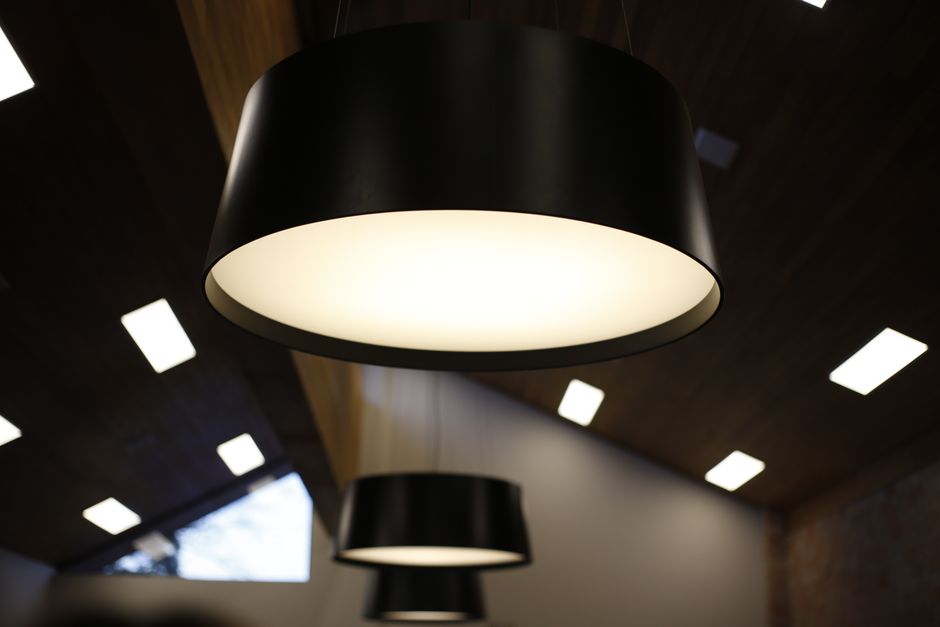
When you walk into a home improvement store today, the sheer volume of choices can be overwhelming. There are hundreds of smart lighting products available at major retailers like The Home Depot, and even budget-friendly stores like IKEA feature dozens of dedicated smart items. Navigating this vast landscape requires breaking down these products into their core categories.
To build a system that works for your lifestyle, you first need to understand the different building blocks available. Each product type has its own strengths, installation requirements, and ideal use cases. If you want to dive deeper into how modern lighting technology has evolved, you can Discover LED Lighting Solutions to see how these advancements lay the groundwork for smart home automation.
Generally, smart lighting falls into four main categories: smart bulbs, smart switches, smart plugs, and specialty fixtures like LED strips or integrated panels. Choosing the right mix of these options is the key to creating a reliable, easy-to-use smart home ecosystem.
Choosing Smart Bulbs as Smart Lighting Options for Your Home
Smart bulbs are the most common entry point for homeowners looking into home automation. They are incredibly easy to install: you simply unscrew your old, inefficient incandescent or standard LED bulb and screw in the new smart version. Once powered on, you pair them with an app on your smartphone or a compatible smart hub, and you are ready to go.
These bulbs offer incredible flexibility. Many models feature color-changing capabilities (often referred to as RGBW), allowing you to choose from millions of colors to match your mood, celebrate holidays, or create an immersive home theater experience. They also offer precise dimming controls without requiring you to install a physical dimmer switch.
However, before you replace every light source in your house, it is helpful to weigh the long-term benefits. You might ask yourself, Is Upgrading to LED Worth the Investment or Just a Light Bulb Moment? The answer is a resounding yes, especially when you factor in the energy savings and the convenience of smart scheduling. The main drawback of smart bulbs is that they require constant electrical power to remain “smart.” If someone flips the physical wall switch off, the bulb loses power and can no longer be controlled via your phone or voice assistant.
Installing Smart Switches and Sockets for Whole-Home Control
For a more seamless and permanent solution, smart switches and smart sockets are the way to go. Instead of making the bulb itself smart, you make the electrical circuit smart. A smart wall switch replaces your traditional toggle switch and controls whatever fixtures are wired to that circuit—whether they are standard LED bulbs, chandeliers, or recessed ceiling cans.
This approach solves the “turned-off switch” dilemma. Because the switch itself is connected to your home network, you can still control your lights via your phone or voice assistant even if someone physically flips the switch off. It is also highly cost-effective for rooms with multiple bulbs. For example, if you have a kitchen with ten recessed ceiling lights, buying ten individual smart bulbs can get very expensive. Installing a single smart switch controls all ten bulbs at once.
Additionally, you can Save Energy with Dimmer Switches that are smart-enabled, allowing you to set schedules that automatically lower your lights to 10% or 20% brightness late at night. Smart plugs or smart sockets are another excellent option for plug-in fixtures like floor lamps, table lamps, or even holiday decorations, instantly turning any standard appliance into an automated device.
Understanding Smart Home Integration and the Matter Standard
One of the historical headaches of smart home technology was ecosystem fragmentation. You might buy a smart bulb that worked beautifully with Amazon Alexa, only to find out it didn’t play nice with Apple HomeKit or Google Home. Fortunately, the industry has made massive strides toward universal compatibility, largely thanks to a protocol called Matter.
Matter is a unifying smart home standard backed by major tech players, including Apple, Google, Amazon, and Samsung. It allows devices from different manufacturers to communicate directly with one another over your local network without relying on slow, proprietary cloud services. Many modern smart lights use Matter over Thread—a low-power, self-healing mesh network protocol that doesn’t bog down your home’s Wi-Fi.
By choosing Matter-compatible smart lights, you ensure that your system is future-proof. You can control your lights using an Apple Watch, a Google Nest Hub, or an Amazon Echo speaker simultaneously. If you want to learn more about how to cut the cords and go fully automated, check out our guide on Taking Control Go Wireless for your home systems.
Key Benefits of Upgrading Your Home Lighting System
Upgrading to smart lighting is about much more than just showing off cool tech to your neighbors. It introduces tangible improvements to your daily life, starting with your monthly utility bills. Because smart lights are built on highly efficient LED technology, they consume a fraction of the electricity used by older incandescent bulbs.
When you combine this natural efficiency with smart automation—such as motion sensors that turn lights off in empty rooms, or timers that ensure your porch lights turn off at sunrise—the savings add up quickly. If you are looking to optimize your household budget, learning how to Lower Energy Bills with LED Lighting is one of the easiest and most effective strategies available to South Bay homeowners.
Enhancing Ambiance and Circadian Rhythms
Your body has a natural internal clock, known as a circadian rhythm, which is heavily influenced by light. Traditional lighting remains at the same harsh, static color temperature all day. Smart lighting, however, can mimic the natural cycle of the sun. This concept, often called circadian or human-centric lighting, automatically shifts your home’s light quality throughout the day:
- Morning: Bright, cool blue-white light to help you wake up, feel energized, and focus.
- Afternoon: Neutral, clean white light for daily tasks, working from home, or cooking.
- Evening: Warm, soft amber light that signals to your brain that it is time to wind down, promoting the natural production of melatonin for better sleep.
To implement this effectively, it helps to understand the science behind Color Temperature for Lighting Design. By layering your light sources and using automated color transitions, you can create a truly Cozy Atmosphere with the Right Lighting that supports your family’s health, wellness, and comfort.
Boosting Security with Smart Lighting Options for Your Home
A dark home is an inviting target for intruders. Traditional timers can turn your lights on and off at exact times, but savvy burglars can easily spot these repetitive, rigid patterns. Smart lighting takes home security to an entirely new level through advanced automation features.
One of the most impressive security features is “mockupancy” (or vacation mode). This feature records your actual, daily lighting habits when you are home—like turning on the kitchen light at 6:30 AM and the living room TV lights at 8:00 PM—and replays them with slight, randomized variations while you are away. To the outside world, it looks exactly like someone is moving through the house.
Furthermore, you can integrate your lights with outdoor motion sensors, smart cameras, or your home alarm system. For instance, if an outdoor security camera detects motion in your backyard at midnight, your indoor smart lights can instantly flash red or turn on at 100% brightness to scare away intruders. For a deeper dive into these strategies, read our article on Smart Lighting for Home Security.
Why Professional Installation Beats DIY for South Bay Homes
While screwing in a smart bulb is a simple DIY task, upgrading to smart switches, smart dimmers, and integrated ceiling fixtures is a completely different story. Working with your home’s electrical wiring carries real safety risks, and improper installation can lead to flickering lights, code violations, or even electrical fires.
For South Bay homeowners, there are several technical reasons why hiring a professional licensed electrician is the smartest choice:
- The Neutral Wire Requirement: Most modern smart switches require a neutral wire to keep the switch powered even when the light is turned off. Many older homes in Torrance, Redondo Beach, and Manhattan Beach do not have neutral wires behind their wall switches. A professional electrician can safely identify your wiring configuration and pull new neutral wires or recommend specialized no-neutral smart switches.
- Three-Way and Multi-Location Wiring: If you have a hallway or staircase light controlled by two or more switches, installing smart switches becomes highly complex. Miswiring a three-way smart switch can damage the delicate electronics inside the switch or cause your lights to malfunction.
- Code Compliance and Safety: Electrical codes exist to protect your family and your property investment. Professional electricians ensure that every connection is secure, properly grounded, and compliant with local California electrical codes.
- Fixture Compatibility: Some LED fixtures do not play nice with certain smart dimmers, leading to annoying buzzing sounds or visible flickering. A professional can help you navigate Everything You Need to Know About LED vs Traditional Lighting to ensure perfect compatibility between your bulbs, drivers, and switches.
At B&M Electric, we bring 50 years of local expertise to every project. We handle the complex wiring so you can enjoy a worry-free, perfectly calibrated smart lighting system.
Frequently Asked Questions About Smart Lighting Options
When you are ready to design your system, it helps to compare your options side-by-side. The table below outlines the key differences between the three main smart lighting categories:
| Feature | Smart Bulbs | Smart Switches | Smart Plugs / Sockets |
|---|---|---|---|
| Best For | Single lamps, color-changing accents, renters | Built-in ceiling fixtures, multi-bulb rooms | Floor lamps, small appliances, holiday lights |
| Installation Difficulty | Very Easy (Plug-and-Play) | Moderate to High (Requires wiring) | Very Easy (Plug-and-Play) |
| Physical Switch Control | No (Must keep wall switch ON) | Yes (Retains normal switch function) | No (Controlled via app/voice or plug button) |
| Color Changing (RGB) | Yes (On compatible models) | No (Controls bulb’s native color) | No (Powers connected device on/off) |
| Standby Power Draw | Low (~0.2W to 0.5W per bulb) | Very Low | Very Low |
Do smart lights still work if the physical wall switch is turned off?
No. If a traditional wall switch is flipped to the “off” position, it physically cuts the electrical current flowing to the light fixture. Without electricity, a smart bulb cannot power its internal wireless receiver (Wi-Fi, Zigbee, or Thread).
As a result, the bulb will go offline, and you won’t be able to control it via your phone, voice assistant, or automated schedules. To avoid this frustration, we recommend installing smart switches or using specialized switch guards that prevent family members or guests from accidentally turning off the physical switches.
Do I need a dedicated hub to run smart lighting in my home?
It depends on the wireless protocol your smart lights use.
- Wi-Fi Lights: These connect directly to your home’s Wi-Fi router. They do not require a hub, making them great for beginners. However, if you install dozens of Wi-Fi bulbs, they can slow down your home network.
- Zigbee and Z-Wave Lights: These require a dedicated hub (like a DIRIGERA hub or a smart home controller) to bridge the connection between the lights and your home network. This keeps your Wi-Fi network clear and allows for incredibly fast, reliable local automation.
- Matter over Thread Lights: These require a Thread Border Router (which is often built into modern smart speakers like the Apple HomePod, Google Nest Hub, or Amazon Echo). Once set up, they offer the benefits of a hub-based system with universal compatibility.
Can smart lighting be used for outdoor and landscape areas?
Yes, absolutely! Outdoor smart lighting is one of the best ways to improve your home’s curb appeal and security. From color-changing landscape spotlights and path lights to heavy-duty smart floodlights, there are many weatherproof options designed to withstand the elements.
When planning your outdoor setup, you can Illuminate Your Living Spaces by extending your smart lighting design to patios, decks, and walkways. Just keep in mind that outdoor fixtures must be rated for wet or damp locations, and you may need a Wi-Fi extender or a robust mesh network to ensure your outdoor lights can maintain a strong wireless connection to your home network.
Conclusion
Upgrading to smart lighting is one of the most rewarding home improvements you can make. It brings unmatched convenience, helps lower your energy bills, supports your family’s natural sleep cycles, and provides peace of mind with advanced home security features.
While starting with a few plug-and-play smart bulbs is a fun weekend project, achieving a seamless, reliable, and code-compliant whole-home system requires professional expertise. At B&M Electric, we have spent 50 years providing dependable electrical services with a personal touch to our neighbors in Torrance, CA, and the surrounding South Bay communities. Whether you need help resolving a neutral wire issue, installing smart dimmers, or designing a custom indoor and outdoor lighting layout, we are here to help.
Ready to transform your home with the perfect smart lighting setup? Schedule a professional lighting consultation with B&M Electric today, and let us bring your vision to life safely and professionally.