Everything You Need to Know About LED Lighting Benefits for Energy Savings
By B&M Electric July 8, 2026
Why LED Lighting Benefits for Energy Savings Matter More Than Ever
The led lighting benefits for energy savings are hard to ignore — residential LEDs use at least 75% less energy than traditional incandescent bulbs and can last up to 25 times longer. For homeowners and business owners in Torrance and the South Bay, that translates directly into lower monthly utility bills, fewer bulb replacements, and a smaller carbon footprint.
Here is a quick summary of the key benefits:
| Benefit | What It Means for You |
|---|---|
| 75-90% less energy used | Significant drop in electricity costs |
| Lasts up to 25x longer | Far fewer replacements and less maintenance |
| Very little heat output | Less wasted energy, safer fixtures |
| No toxic materials | Safer disposal, better for the environment |
| Works in hot and cold temps | Reliable indoors and outdoors |
| Compatible with smart controls | Even greater savings with dimmers and sensors |
Lighting accounts for roughly 15-20% of electricity use in buildings globally. That is a significant slice of your utility bill — and it is one of the easiest places to cut costs. According to the U.S. Department of Energy, energy savings from LED lighting in the U.S. alone could top 569 TWh annually by 2035, equivalent to the output of more than 92 large power plants.
Whether you are replacing a handful of bulbs at home or planning a full commercial retrofit, understanding what LEDs can actually do — and what to watch out for — helps you make smarter decisions. This guide covers everything you need to know.
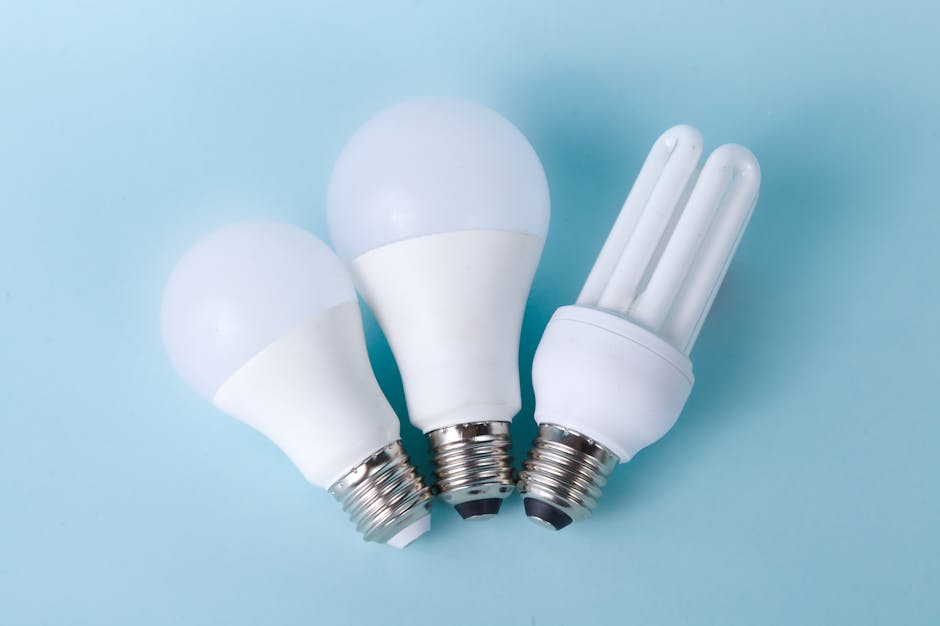
The Core LED Lighting Benefits for Energy Savings
To understand why light-emitting diodes (LEDs) are such a massive leap forward, we have to look at how they produce light compared to older technologies. Traditional incandescent bulbs rely on a thin wire filament that is heated by an electric current until it glows. While this produces a warm, familiar light, it is an incredibly inefficient process. In fact, incandescent bulbs convert only about 10% to 20% of their electrical energy into visible light. The remaining 80% to 90% is completely wasted as heat.
Halogen bulbs and compact fluorescent lamps (CFLs) offer slight improvements, but still lose a substantial amount of energy to thermal dissipation — CFLs waste about 80% of their energy as heat.
LEDs, on the other hand, are solid-state semiconductors. They emit light through a process called electroluminescence, where electrical current passes through a microchip, illuminating the tiny light sources we call diodes. Because there is no filament to heat up, LEDs operate with incredible efficiency, converting up to 80% to 90% of their energy directly into light. This means your fixtures stay cool to the touch, and you stop paying to heat your rooms with your ceiling lights. You can explore more about how this transition directly impacts your wallet in our detailed breakdown of Lower Energy Bills with LED Lighting.
Another major advantage of LED technology is directionality. Conventional bulbs emit light in all 360 degrees. To focus that light where it is actually needed — like downward from a recessed ceiling can or forward from a streetlamp — fixtures require bulky reflectors and diffusers. A significant portion of the light gets trapped inside the fixture and is lost forever.
LEDs are naturally directional light sources, emitting light in specific directions. This eliminates the need for reflectors, ensuring that every single lumen produced actually makes it out of the fixture to illuminate your living room, kitchen countertop, or office space.
To make comparing these options simple, let’s look at how they stack up side-by-side:
| Feature | Incandescent Bulbs | CFL Bulbs | LED Bulbs |
|---|---|---|---|
| Energy Efficiency | Very Low (10-20% light, 80-90% heat) | Moderate (20% light, 80% heat) | Extremely High (80-90% light, 10-20% heat) |
| Average Lifespan | 1,000 hours | 10,000 hours | 25,000 to 100,000 hours |
| Luminous Efficacy | 10 to 15 lumens/watt | 60 to 63 lumens/watt | 110 to 150+ lumens/watt |
| Light Direction | Omnidirectional (360 degrees) | Omnidirectional (360 degrees) | Highly Directional (focused) |
| Warm-up Time | Instant | 30 seconds to 3 minutes | Instant-on |
When making the switch, it is also important to shift how we shop for bulbs. For decades, we bought bulbs based on “watts” (which measures electrical power consumed). With LEDs, we look at “lumens” (which measures the actual amount of light emitted). For example, a classic 60-watt incandescent bulb produces about 800 lumens. A modern LED bulb can deliver that exact same brightness using only 8 to 10 watts.
How Much Can You Actually Save by Upgrading to LEDs?
When we talk about upgrading your home or business lighting, the conversation naturally turns to the bottom line. How do these technical efficiencies translate into real-world dollars?
For residential properties, replacing old bulbs with LEDs immediately lowers electricity bills. Because lighting accounts for a notable portion of home energy use, swapping out the most frequently used fixtures can shave hundreds of dollars off your annual energy costs.
For commercial properties, the savings are even more dramatic. Businesses often operate high-wattage fixtures for 12 to 24 hours a day. Transitioning to LEDs reduces operating expenses and lowers demand charges on commercial utility bills. Additionally, local utility providers in California frequently offer lucrative rebates and incentives to offset the initial upgrade costs for energy-efficient equipment.
Calculating Your LED Lighting Benefits for Energy Savings
If you are wondering whether making the transition is truly practical, you can read our insights on Is Upgrading to LED Worth the Investment or Just a Light Bulb Moment?. To help you visualize the math, let’s look at a simple formula to calculate your annual energy savings:
$$\text{Annual Savings} = \frac{(\text{Old Wattage} – \text{LED Wattage}) \times \text{Hours/Day} \times 365 \times \text{Electricity Rate (\$/kWh)}}{1000}$$
Let’s put this into a real-world residential scenario. Imagine a home in the South Bay with 20 recessed ceiling lights that run for an average of 5 hours per day.
- The Old Setup: 20 incandescent bulbs (60 watts each) consuming a total of 1,200 watts. Running 5 hours a day for a year, they consume 2,190 kWh. At a typical California residential rate of $0.23 per kWh, this costs $503.70 per year to run.
- The LED Setup: 20 high-quality LED replacements (9 watts each) consuming a total of 180 watts. Running under the exact same conditions, they consume just 328.5 kWh annually. At the same electricity rate, this costs only $75.56 per year to run.
By making this simple switch, this household saves $428.14 every single year on electricity alone. Because a pack of standard LED bulbs is highly affordable, the payback period is often just 3 to 4 months. After that point, the ongoing energy savings are pure profit back in your household budget.
Commercial LED Lighting Benefits for Energy Savings
On the commercial side, the financial returns are scaled up significantly. Many warehouses, retail spaces, and industrial facilities in Torrance rely on outdated metal halide or T12 fluorescent high bay fixtures. These older systems pull massive amounts of power and require frequent, expensive maintenance. To learn more about how commercial upgrades can protect your cash flow, take a look at our guide on the Top Lighting Upgrades That Save Your Business Money.
Consider a local warehouse operating 50 metal halide high bay fixtures (400 watts each) for 12 hours a day, 300 days a year.
- The Old Setup: Consumes 72,000 kWh annually, costing thousands of dollars in energy bills.
- The LED Setup: Replacing them with 150-watt LED high bay fixtures reduces consumption to 27,000 kWh annually.
This single upgrade cuts energy consumption by 45,000 kWh per year. When you add in the avoided maintenance costs — such as renting scissor lifts and paying technicians to swap out dead bulbs high in the rafters — the business saves thousands of dollars annually. Most commercial retrofits achieve a complete return on investment (ROI) within 1 to 3 years, especially when taking advantage of local utility rebates.
Environmental and Operational Advantages of LED Technology
While the financial savings are compelling, the environmental and operational benefits of solid-state lighting are just as profound. By drastically reducing electricity demand, widespread LED adoption directly cuts greenhouse gas emissions from power plants.
Operationally, the solid-state semiconductor design of LEDs makes them incredibly durable, eliminating fragile glass envelopes and filaments that easily break under vibration or impact. This durability translates to long-term cost reduction and worry-free operation.
Lifespan and Durability in Extreme Conditions
A standard incandescent bulb is designed to last about 1,000 hours. A CFL might push that to 10,000 hours. A quality LED bulb, however, is rated for 25,000 to 50,000 hours, and some commercial-grade fixtures can last up to 100,000 hours.
To put that in perspective: if you run an LED bulb for 5 hours a day, it can easily last for over 25 years before needing a replacement. Furthermore, LEDs do not typically “burn out” abruptly like traditional bulbs; instead, they experience gradual lumen degradation, slowly dimming over time so you are never left suddenly in the dark. You can discover the perfect configuration for your property by exploring our guide to Discover LED Lighting Solutions.
This longevity makes LEDs highly reliable in demanding environments. Because they do not rely on heat to produce light, they actually perform exceptionally well in cold conditions. This makes them ideal for:
- Outdoor security and landscape lighting in coastal South Bay climates.
- Commercial walk-in freezers and cold storage facilities.
- Unheated garages and outbuildings.
They also feature instant-on capabilities, reaching 100% brightness the millisecond the switch is flipped, without the annoying warm-up periods common with older CFL and metal halide fixtures.
Carbon Footprint and Toxic Waste Reduction
Reducing our energy consumption is one of the most effective ways to lower our carbon footprint. For practical ideas on eco-friendly living, check out our tips on Green Energy Savings.
According to Project Drawdown, lighting accounts for a massive portion of global emissions. Upgrading to LED lighting is recognized as one of the most impactful, actionable solutions to combat climate change. In fact, replacing just 1% of the global building lighting market with LEDs avoids approximately 7.09 million metric tons of CO₂-equivalent emissions annually.
Additionally, LEDs offer a major waste-reduction benefit:
- Mercury-Free: Unlike CFLs and older fluorescent tubes, which contain highly toxic mercury vapor and require specialized hazardous waste disposal, LEDs are 100% mercury-free.
- Less Material Waste: Because one LED bulb outlasts up to 25 incandescent bulbs, switching to LEDs significantly reduces the volume of glass, metal, and plastic heading to our local landfills.
Practical Steps to Maximize Your Lighting Efficiency
Simply swapping out a few old bulbs is a great start, but to truly maximize your led lighting benefits for energy savings, you should take a strategic approach. This involves integrating modern lighting design, conducting home or business energy audits, and pairing your new fixtures with smart control systems.
Smart Controls and Dimmer Integration
One of the easiest ways to multiply your energy savings is by pairing LEDs with smart controls. To learn more about how simple controls can optimize your system, read our guide on how to Save Energy with Dimmer Switches.
Traditional dimmers designed for incandescent bulbs are often incompatible with LEDs, causing flickering or buzzing. Modern LED-compatible dimmers allow you to dial back your lighting levels when full brightness is not needed. Dimming an LED bulb by 50% reduces its energy consumption by nearly 50% and extends its lifespan even further.
For more helpful strategies, review our comprehensive Green Energy Savings Tips. You can integrate several smart control options:
- Occupancy Sensors: Automatically turn lights off in empty rooms, hallways, or commercial restrooms.
- Daylight Harvesting: Smart sensors detect natural sunlight streaming through windows and automatically dim the indoor LEDs to maintain a consistent light level while saving power.
- Smart Home Integration: Program schedules so your lights turn off automatically when you leave for work or go to bed.
Planning a Professional Lighting Retrofit
While a DIY bulb swap is simple enough for standard lamps, larger upgrades require professional design and installation to ensure safety, code compliance, and maximum efficiency. If you are looking for local expertise, you can read about the Best Lighting Solutions in Torrance CA.
A professional retrofit involves evaluating your space, calculating the required foot-candles (brightness levels), and selecting the right fixtures for your needs. This is especially critical for kitchens, home offices, and commercial spaces where task lighting is essential.
To help you plan, we have put together two great local resources:
- Torrance CA Lighting Solutions: Your Comprehensive Guide to a Brighter Space
- Brightening Torrance: A How-To Guide for Commercial and Residential Lighting
Working with a licensed local electrician ensures that your new fixtures are safely wired, properly grounded, and perfectly integrated with your existing electrical panel.
Frequently Asked Questions About LED Energy Savings
Do LEDs really use 75% less energy than traditional bulbs?
Yes, and in many cases, they use up to 90% less. This massive saving is verified by the U.S. Department of Energy and the ENERGY STAR program. The savings come down to basic physics: traditional incandescent bulbs lose up to 90% of their energy as heat, whereas LEDs convert almost all of their electrical energy directly into light (lumens). This allows you to replace a hot, power-hungry 60-watt bulb with a cool, efficient 9-watt LED without losing any brightness.
What is the typical payback period for a residential LED upgrade?
For a typical household, the payback period for a standard LED bulb upgrade is incredibly short — often between 3 to 6 months. Because high-quality LED bulbs are highly affordable and electricity rates in Southern California are relatively high, the monthly drop in your utility bill quickly covers the minor upfront cost of the new bulbs. For larger commercial retrofits or advanced smart lighting installations, the payback period typically ranges from 1 to 3 years.
How do LEDs perform in extremely cold or hot environments?
LEDs perform exceptionally well in cold environments, making them far superior to fluorescent bulbs, which often struggle to start or flicker in freezing temperatures. This makes LEDs the gold standard for outdoor security lights, cold storage, and freezer rooms.
While LEDs are sensitive to extreme heat, quality fixtures are engineered with advanced thermal management systems (like aluminum heat sinks) to safely draw heat away from the delicate microchips, ensuring reliable performance even in warm conditions.
Conclusion
Upgrading to LED lighting is one of the smartest, most cost-effective investments you can make for your home or business. The led lighting benefits for energy savings deliver immediate financial returns, drastic maintenance reductions, and a meaningful way to support environmental sustainability.
At B&M Electric, we bring over 50 years of local expertise to every project. We serve families and businesses across Torrance, the South Bay, Redondo Beach, Palos Verdes, and Manhattan Beach with dependable service, precision, and a personal touch. Whether you need a simple fixture upgrade, a commercial retrofit, or a comprehensive safety audit, our licensed team is here to help.
Ready to start saving? Explore our professional Torrance CA Lighting Solutions and let us help you build a brighter, more energy-efficient space today!