A Practical Guide to How to Avoid Electrical Surprises During a Renovation
By B&M Electric June 25, 2026
A Practical Guide to How to Avoid Electrical Surprises During a Renovation
What Every Homeowner Should Know About How to Avoid Electrical Surprises During a Renovation
Knowing how to avoid electrical surprises during a renovation can be the difference between a smooth project and a costly, dangerous setback. Renovations regularly uncover outdated wiring, hidden code violations, overloaded panels, and hazardous materials — problems that were invisible right up until the walls came down. In fact, electrical fires account for approximately 51,000 home fires each year in the United States, causing nearly 500 deaths and over $1.3 billion in property damage annually. Many of those fires trace back to aging systems and unpermitted work that went unaddressed during a remodel. Whether you’re updating a kitchen in Torrance or finishing a basement in the South Bay, getting ahead of these risks before the first nail is pulled makes all the difference.
Here’s a quick overview of the most important steps to avoid electrical surprises during your renovation:
- Schedule a professional electrical inspection before demolition begins — a licensed electrician can identify outdated wiring, overloaded circuits, and hidden hazards you can’t see.
- Check your permit history — unpermitted electrical work from previous owners is one of the most common and costly renovation surprises.
- Assess your panel capacity — older homes often have 100-amp service that can’t support modern appliances, EV chargers, or home offices.
- Look for warning signs of outdated wiring — flickering lights, frequently tripping breakers, warm outlets, or a burning smell point to systems that need attention before work starts.
- Plan your electrical needs before walls are opened — it’s far cheaper to run new circuits or conduit while the framing is exposed than to retrofit them later.
- Know which upgrades trigger code compliance — remodels in California often require GFCI and AFCI protection, proper grounding, and permits with inspections.
- Never disturb suspected hazardous materials — cloth wiring, knob-and-tube systems, and asbestos insulation require professional evaluation, not a DIY fix.

Essential how to avoid electrical surprises during a renovation terms:
- electrical considerations for a kitchen or bathroom remodel
- home remodel electrical planning guide for homeowners
- how to plan electrical for a home addition
The Hidden Risks Lurking Behind Your Walls
When you begin tearing down drywall, you are essentially opening a time capsule of your home’s history. For many beautiful properties throughout Torrance and the wider South Bay, that history can span several decades. While vintage charm is highly desirable, vintage electrical work is not.
Older homes often hide serious hazards that do not show themselves until a wall is opened. If you aren’t looking for them, you might accidentally disturb components that present immediate safety risks. Familiarizing yourself with Electrical Warning Signs to Watch For is the first line of defense before physical work begins.
Outdated Wiring and Asbestos Hazards
One of the most frequent surprises in homes built between the late 1940s and early 1960s is cloth-insulated wiring. Over time, the cloth sheath wrapping these copper wires becomes brittle, cracks, and flakes away, leaving bare, energized wires exposed inside your walls. Cloth wiring cannot handle the heat generated by modern power demands, and it will not pass inspection during a renovation that requires electrical permits.
In even older homes, you might encounter knob-and-tube wiring. This system uses ceramic knobs and tubes to run individual hot and neutral wires through framing. Because these systems are ungrounded, they pose severe shock and fire hazards.
Additionally, older homes may contain asbestos insulation around wiring, steam pipes, or within old plaster and drywall. Common asbestos removal projects typically range from $1,500 to $30,000, with larger-scale projects potentially exceeding this range. Attempting to cut or pull wires through asbestos-containing materials releases toxic fibers into the air. If you suspect your older home has these materials, you must stop work immediately. Investing in Electrical Repairs for a Safe Home ensures these hazards are professionally abated and replaced before they threaten your family’s safety.
Unpermitted Work and Hidden Infrastructure
Another common issue is unpermitted work left behind by previous homeowners or unlicensed handymen. This often takes the form of unpermitted room additions, enclosed patios, or finished basements where the electrical work was bypassed from official city inspections.
During a remodel, you might discover creative but highly illegal wiring choices, such as:
- Hidden electric meters or panels that have been drywall-covered to improve a room’s appearance.
- Buried junction boxes hidden behind plaster without an access plate, which is a major National Electrical Code (NEC) violation and fire hazard.
- Incorrect wire gauges paired with oversized circuit breakers (e.g., using 14-gauge wire on a 20-amp circuit), which can cause the wires to overheat and melt before the breaker ever trips.
Home inspections are highly valuable, but they are not foolproof; inspectors cannot see through solid walls. Uncovering these violations mid-renovation can immediately halt your project and result in code-compliance fines. Understanding Everything You Need to Know About Remodel Permits and Codes will help you navigate these discoveries without derailing your entire project timeline.
How to Avoid Electrical Surprises During a Renovation: Pre-Project Planning
The most effective way to handle an electrical surprise is to prevent it from being a surprise in the first place. By incorporating a thorough risk assessment into your initial pre-renovation planning phase, you can map out your home’s current electrical realities and adjust your design, timeline, and budget accordingly.
Why Professional Inspections Show You How to Avoid Electrical Surprises During a Renovation
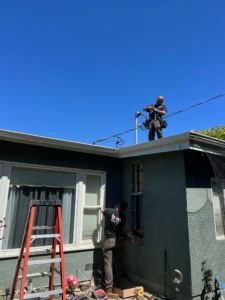
Before any demolition crew arrives, schedule a comprehensive electrical safety audit with a licensed electrician. For South Bay properties, this inspection acts as an diagnostic checkup.
A professional electrician will perform testing protocols to evaluate the integrity of your grounding system, check the health of your existing wiring, and determine if your electrical panel can support your new layout. This process may involve minor investigative demolition, such as removing outlet covers or using specialized cameras to peer behind walls. Finding out that your wiring needs to be replaced before you install expensive new cabinetry and tile will save you thousands of dollars in rework.
Step-by-Step: How to Avoid Electrical Surprises During a Renovation
To keep your project on track, follow this structured planning process:
- Map Your Existing Circuits: Do not rely on the handwritten labels on your breaker door. Physically test and map exactly which outlets, switches, and appliances are tied to each breaker.
- Calculate Your Planned Load: List every appliance, light fixture, and device you plan to add to the renovated space. Calculate the total wattage to ensure you will not overload existing lines.
- Specify High-Draw Appliances: Major kitchen appliances, electric water heaters, and heating systems require dedicated circuits. Identify these early so your electrician can plan the wire routing.
- Coordinate the Trades: Ensure your general contractor, plumber, and electrician are communicating. Running electrical lines too close to plumbing risers or ductwork is a common mistake that can be avoided with early trade coordination.
For more detailed strategies on coordinating your layout, check out these Shock-Proof Your Renovation: Expert Electrical Installation Tips.
Planning for Modern Power Demands and Upgrades
Many homeowners focus entirely on the cosmetic aspects of a remodel, like choosing the perfect lighting fixtures or high-end kitchen appliances. However, modern appliances pull significantly more power than older systems were ever built to deliver. If you do not upgrade your underlying infrastructure, those beautiful new appliances may frequently trip your breakers.
| Feature | 100-Amp Electrical Panel | 200-Amp Electrical Panel |
|---|---|---|
| Typical Home Age | Built before the 1970s/1980s | Modern homes and recent upgrades |
| Capacity Level | Basic lighting, small appliances, standard HVAC | High-draw appliances, EV chargers, smart home systems |
| Expandability | Extremely limited; no room for new circuits | Highly expandable with extra breaker spaces |
| Resale Value Impact | May require upgrading during home sale | Adds value and appeals to modern buyers |
Assessing Panel Capacity and Circuit Loads
If your home still operates on an older 100-amp breaker panel, it is likely running near its maximum capacity. Signs that your panel is struggling include flickering lights when large appliances kick on, warm outlet plates, or a panel that looks older than the Rolling Stones.
Upgrading to a 200-amp service is one of the smartest investments you can make during a remodel. It provides the physical space and electrical capacity needed to distribute power safely without overloading circuits. If you are experiencing warning signs, read about why your Electrical Panel Needs an Upgrade and learn to spot the Signs You Need an Electrical Panel Upgrade before you begin adding new loads.
Future-Proofing Your Home Addition or Remodel
A renovation is a rare window of opportunity. Because your walls are already open, it is the absolute best and most cost-effective time to future-proof your home.
Consider adding the infrastructure for technologies you might want down the road, even if you do not own them yet:
- EV Charger Installation: Running a dedicated 50-amp, 240-volt circuit to your garage now is much easier than trying to fish that heavy cable through finished drywall later.
- Smart Home Integration: Install deeper electrical boxes and run neutral wires to every switch box, which is a requirement for most modern smart switches and dimmers.
- Home Office Demands: Run structured wiring, dedicated outlets, and surge protection to keep your remote work setup safe and reliable.
To learn more about expanding your electrical capacity for new spaces, check out How to Plan Electrical for a Home Addition and explore the best Electrical Upgrades for Your Remodel.
Navigating Permits, Codes, and Safety Standards
Electrical codes are not designed to complicate your renovation; they are written to prevent fires and protect your family. When you undertake a major remodel, local building departments require that the work complies with the latest safety standards.
Essential Safety Devices: GFCI and AFCI Protection
Modern building codes place a heavy emphasis on advanced safety devices that prevent shocks and fires:
- GFCI (Ground Fault Circuit Interrupter) Outlets: These devices constantly monitor the balance of electrical current. If they detect an imbalance as small as 4 to 6 milliamps — indicating that current is escaping, potentially through a person — they instantly cut power in milliseconds. GFCIs are strictly required in all “wet zones,” including kitchens, bathrooms, laundry rooms, garages, and outdoor spaces. Lack of GFCI protection is one of the leading code violations found during home inspections.
- AFCI (Arc Fault Circuit Interrupter) Breakers: While GFCIs protect against shocks, AFCIs protect against electrical fires. They detect dangerous, unintended electrical arcing (sparking), which often occurs in damaged cords or loose wire connections behind walls.
When updating your home, make sure you understand the Electrical Code Requirements for Kitchen Remodels to ensure your wet areas are fully protected and compliant.
California Permit Requirements and Inspections
In California, almost all electrical work beyond swapping out a light fixture or outlet requires a building permit. The Torrance and South Bay local building departments enforce strict adherence to the California Electrical Code.
Skipping the permit process to save time is a massive mistake. Unpermitted work can lead to:
- Insurance Claim Denials: If an unpermitted electrical modification causes a fire, your homeowner’s insurance policy may refuse to cover the damage.
- Resale Complications: Savvy buyers and home inspectors will check permit histories. If they find unpermitted additions or electrical work, you may be forced to tear open walls to have it inspected and permitted before the sale can close.
Make sure your project starts on the right foot by Renovating Right with California Electrical Permit Requirements.
Safe Work Practices and On-Site Protection
If you are performing any minor, non-permitted tasks yourself or simply managing your renovation site, safety must remain your absolute priority. Electricity is unforgiving, and a single mistake can lead to severe injury or a devastating fire.
De-energizing and Verifying the Work Area
Never assume a circuit is dead just because you flipped a switch or turned off a breaker. Always follow these steps to verify your work area is safe:
- Shut Off the Correct Breaker: Clearly label and turn off the breaker supplying power to your work zone.
- Use Lockout/Tagout Procedures: Place a piece of tape over the breaker switch or use a lockout device so no one else in the house accidentally flips it back on while you are working.
- Test, Test, and Test Again: Use a reliable, non-contact voltage tester directly on the wires you plan to handle. If the tester beeps or lights up, the line is still live. Treat all wires as live until you have personally verified otherwise.
Protecting Electrical Components During Construction
Construction sites are inherently dirty, dusty, and chaotic. This environment can easily damage your electrical system before the renovation is even finished:
- Prevent Dust Infiltration: Cover open outlet boxes, switches, and your main breaker panel with plastic sheeting or protective covers. Fine drywall dust can settle inside electrical components, leading to poor connections, overheating, and premature failure of GFCI outlets.
- Safeguard Cables and Wires: Ensure all exposed wiring is bundled neatly and secured away from high-traffic areas where it could be pinched, stepped on, or nicked by tools.
- Use Proper Temporary Power: Do not daisy-chain lightweight extension cords to power heavy-duty construction tools. Use heavy-duty, outdoor-rated, grounded extension cords plugged into GFCI-protected outlets to prevent overloaded circuits and shock hazards on site.
Frequently Asked Questions about Renovation Electrical Work
What are the most common electrical surprises found during a home remodel?
The most common surprises include finding outdated cloth-insulated or knob-and-tube wiring, unpermitted wiring additions from previous owners, buried junction boxes hidden behind drywall, and old electrical panels that do not have enough capacity to handle modern appliances.
How do I know if my electrical panel needs an upgrade before renovating?
You likely need an upgrade if your home still runs on a 100-amp panel, if your lights flicker when major appliances turn on, if your breakers trip frequently, or if you plan to add high-draw items like a central AC system, a double wall oven, or an EV charging station.
Why is unpermitted electrical work such a major risk for homeowners?
Unpermitted work poses serious fire and safety hazards because it has not been verified by a qualified inspector. Additionally, it can lead to your homeowner’s insurance denying claims if a fire occurs, force you to perform costly repairs before selling your home, and lower your property’s overall resale value.
Conclusion
Avoiding electrical surprises during a renovation comes down to proper planning, early inspections, and working with qualified experts who understand the unique needs of your home. Cutting corners on your electrical system is never worth the risk to your family’s safety or your property’s value.
For homeowners in Torrance, Redondo Beach, Palos Verdes, Manhattan Beach, and surrounding South Bay communities, B&M Electric is here to make your renovation worry-free. Backed by 50 years of local expertise, our family-owned business is dedicated to delivering dependable service with precision, care, and a personal touch. Whether you need a comprehensive safety audit, a panel upgrade, or complete wiring for a major home remodel, we are available Monday through Friday from 8 AM to 5 PM to help.
Don’t let hidden electrical hazards stall your dream home project. Schedule a professional electrical inspection with B&M Electric today to ensure your renovation is safe, compliant, and built to last.